

Hey there, folks! 👋 Let’s talk about something that hits close to home for all of us – the mercy elevator incident.
So, what’s the deal with Mercy Elevator Incident Anianiboy, you might ask? Well, picture this: It’s August 15, 2023, in Multan, Pakistan. A 12-year-old kid named Anianiboy finds himself trapped in an elevator for a jaw-dropping 18 hours. Can you even imagine the fear and desperation he must have felt?
But that’s not the worst part. Despite his desperate pleas for help, no one came to his rescue. 🆘 Anianiboy’s ordeal ended in tragedy as he succumbed to dehydration and suffocation. 😢
Now, who was Anianiboy? He wasn’t just a name in the news. He was a bright, cheerful young boy who loved life, playing, and learning. And his parents? Their world shattered by his untimely departure.
Why does this incident matter, you wonder? It’s not just a sad story; it’s a wake-up call. It reminds us of the critical importance of elevator safety, the urgency for better building codes and maintenance, and the need to be prepared for emergencies. 🚨
Stay with me as we delve into this incident, its aftermath, and what we can learn from it. Together, we’ll explore how to prevent such tragedies in the future. 💪
The Mercy Elevator Incident Anianiboy: A Nightmare Unfolds
Alright, buckle up because we’re about to dive into a gripping story that unfolded on that fateful day, August 15, 2023, in Multan, Pakistan. It’s the kind of story that gives you chills and makes you question how such things can happen.
Timeline of events
🕢 At precisely 7:30 PM, a 12-year-old boy named Anianiboy entered the elevator. Nothing out of the ordinary, right? He was just heading to his apartment on the 10th floor, like any other day.
🕣 But here’s where it takes a terrifying turn. At 7:31 PM, the power decides to take a vacation, plunging the building into darkness, and the elevator screeches to a halt between the 5th and 6th floors. Talk about bad timing.
📞 Panic sets in. At 7:32 PM, Anianiboy grabs the elevator phone and dials for help. But eerie silence greets his desperate pleas..
💪 Not one to give up easily, at 7:33 PM, Anianiboy attempts to pry open those elevator doors. He’s determined to free himself, but unfortunately, he’s not strong enough.
⌚ The clock ticks on, and by 8:00 PM, he’s on the phone again, still no response. You can only imagine the anxiety building up inside him.
⏰ As hours stretch into the night, his ordeal becomes a living nightmare. Thirst and hunger start gnawing at him.
😴 Exhaustion finally takes its toll. At 11:00 PM, Anianiboy falls asleep, but it’s a restless sleep filled with unimaginable nightmares.
🌙 By midnight, he’s awake once more. The cycle continues as he calls for help at 12:00 AM, 1:00 AM, and 2:00 AM. But no one comes to his rescue.
🧠 As the clock strikes 3:00 AM, his mind starts playing tricks on him. Hallucinations set in, a cruel side effect of his terrifying ordeal.
😔 And then, at 10:00 AM, a glimmer of hope, but it’s too late. The power is back, and a maintenance worker discovers Anianiboy’s lifeless body in that very elevator.
What Went Wrong?
Now, you might be wondering, “How on earth could something like this happen?” It’s a question that haunts us all. The preliminary investigation reveals a shocking truth: the elevator was a ticking time bomb. It hadn’t been properly maintained. 🛠️
📞 The emergency phone, the lifeline in situations like this, was silent when Anianiboy needed it most. And even more terrifying, the elevator doors couldn’t be opened manually from the inside. It’s a chilling realization of just how unprepared this building was for such an emergency.
What Could Have Been Done?
Let’s pause for a moment and reflect. This incident could have been avoided, and Anianiboy’s life could have been saved. How? It’s simple but critical: proper maintenance. 🏢
The emergency phone should have been working without fail, and those elevator doors should have had a manual release. It’s not just about rules and regulations; it’s about human lives.
And what about the apartment building? They should have had a solid emergency plan in place, a plan that could have made all the difference.
In the next sections, we’ll explore the aftermath of this tragedy, the impact on Anianiboy’s family, and what we can learn from it. Stick around; this story isn’t just about tragedy; it’s about lessons that can change lives. 💔🏗️
The Aftermath: Hearts Shattered, Voices Raised
Now that we’ve uncovered the chilling details of the mercy elevator incident let’s talk about what happened next. Brace yourselves because this part of the story is where emotions run deep, and the world takes notice.
Impact on Anianiboy and His Family
First and foremost, let’s remember who this story is about – Anianiboy. This young boy, full of life and dreams, lost it all that night. He lost his life, and his family lost their beloved son. 😢
Imagine the pain, the void that can never be filled, the dreams that will never be realized. It’s a tragedy that words can hardly describe. But it doesn’t stop there. The incident carved a deep emotional scar on the hearts of Anianiboy’s parents and friends. A scar that time can never truly heal.
Public Reaction: Shock and Outrage
When this story hit the headlines, the public’s response was nothing short of profound. Shock and outrage rippled through communities near and far. 🌏
How could it be that a 12-year-old boy was left trapped in an elevator for over 18 agonizing hours, with no one rushing to his aid? That question haunted many sleepless nights. The outrage was palpable, and rightly so.
People were stunned, not just by the tragedy itself, but also by the revelation that the elevator hadn’t seen a bit of proper maintenance. 😤
Calls for Change: Demanding Safety
The mercy elevator incident stirred something deep within society. It became more than just a news story; it became a rallying cry for change. 📣
In the wake of this heart-wrenching Mercy Elevator Incident Anianiboy, voices united, calling for a transformation in elevator safety, building codes, and emergency preparedness.
Stricter regulations for elevator safety? Absolutely. Many raised their voices for more frequent inspections to ensure that what happened to Anianiboy would never happen again.
Better building codes? You bet. The Mercy Elevator Incident Anianiboy exposed the gaping holes in building maintenance, and people were demanding higher standards.
Emergency preparedness plans? A resounding “yes.” It became evident that being prepared for the worst wasn’t a luxury but a necessity.
In the next part of our conversation, we’ll explore the lessons we can draw from this tragedy. How can we prevent such heartbreak in the future? Stick with me; there’s hope and change on the horizon. 💪🌅
Lessons Learned: Elevator Safety, Building Codes, and Being Prepared
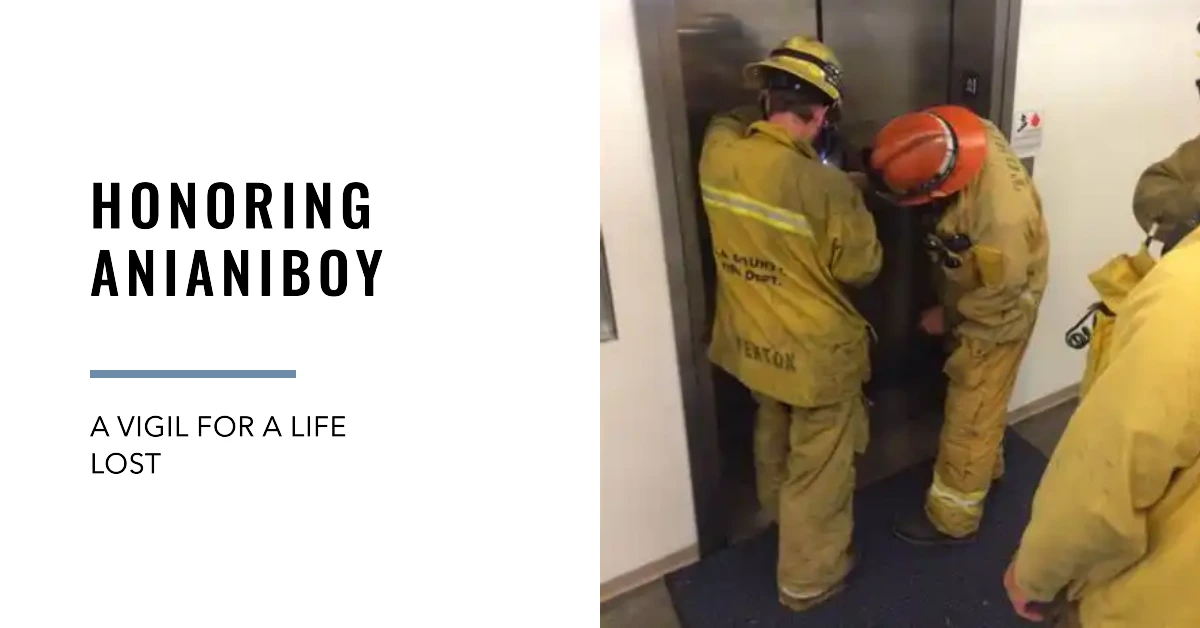
As we navigate through the aftermath of the Mercy Elevator Incident Anianiboy, one thing becomes abundantly clear: there are lessons here that can’t be ignored. It’s a sobering reminder of how we can prevent such heart-wrenching tragedies in the future. Let’s delve into the insights gained.
Importance of Elevator Safety
Elevators – we ride them every day without a second thought. But this Mercy Elevator Incident Anianiboy jolts us awake to their complexity and the critical need for safety. Elevators are more than just boxes that move; they are intricate machines, and like any machine, they need proper care and attention. 🛠️
Building owners and managers, listen up: you’ve got a responsibility. You’re not just caretakers of properties; you’re guardians of lives. Elevators must be properly maintained to ensure passenger safety. It’s not just a suggestion; it’s a moral obligation. Ensuring elevators meet safety regulations isn’t a choice; it’s a duty. We must never forget that Anianiboy’s life depended on it.
Need for Better Building Codes and Maintenance
Now, here’s a shocker. The building code in Multan, Pakistan, where this Mercy Elevator Incident Anianiboy occurred, had some dangerous gaps. Imagine this: no requirement for emergency phones in elevators and doors that couldn’t be opened manually from the inside. 😱
That’s not a loophole; it’s a gaping chasm. We can’t afford to have such lax standards. Building codes should be our safety net, not our downfall. It’s time for serious reform. These codes should demand nothing less than the highest standards of safety.
And it doesn’t end with codes. Building owners and managers take note. Regular maintenance inspections are not optional. They’re your shield against potential hazards. It’s your duty to identify and fix any lurking safety risks. Lives depend on it.
Importance of Emergency Preparedness
The final lesson that screams out at us is the value of being prepared. In this digital age, we’ve grown complacent, assuming that help is just a phone call away. But in Anianiboy’s darkest hour, no one answered that call. 😢
Every building, every establishment, needs a comprehensive emergency preparedness plan. It’s not a luxury; it’s a necessity. Procedures for responding to elevator emergencies should be as ingrained as fire drills. We should never find ourselves in a situation where a cry for help goes unheard.
In our next and final segment, we’ll wrap things up, summarizing what we’ve learned and discussing how we can take action to ensure that Anianiboy’s tragedy doesn’t repeat itself. Stick around; we’re on the cusp of change. 💪🏢🚨
Call to Action: Preventing Tragedy and Extending a Helping Hand
So, here’s the million-dollar question: What can we do to ensure that the mercy elevator incident doesn’t haunt us again? How can we make sure that no other child or family goes through such a heart-wrenching ordeal?
Preventing Similar Incidents
- Proper Maintenance: Elevators are more than just moving boxes; they are lifelines. Building owners and managers, it’s on you. Ensure elevators are not just running but running safely. Follow safety regulations like your life depends on it, because someone’s does.
- Advocate for Change: We have a voice, and we must use it. Reach out to your elected officials. Let them know that you stand firmly behind stricter elevator safety regulations and more frequent maintenance inspections. Change starts with us, the concerned citizens.
- Emergency Preparedness: Remember, it’s not “if” but “when” an emergency strikes. Every building needs a rock-solid emergency preparedness plan. It’s not just a piece of paper; it’s a lifeline. Make sure procedures for responding to elevator emergencies are in place.
Supporting Anianiboy and His Family
Now, let’s talk about the human side of this tragedy. Anianiboy’s family is grappling with a loss that’s beyond words. They’re not alone; we can extend a hand.
- Donate: Consider contributing to a fundraiser set up to help cover the costs of Anianiboy’s funeral and other expenses. Every little bit counts and it’s a way to stand in solidarity with this grieving family.
- Express Condolences: Sometimes, the simplest gestures mean the most. Write a heartfelt letter or email to Anianiboy’s family. Offer your condolences and let them know you’re there for them. It’s a small act, but it can bring solace in the darkest times.
In our final segment, we’ll wrap up our conversation by summarizing the key points and reinforcing why the mercy elevator incident matters to all of us. Together, we can turn this tragedy into a catalyst for change and compassion. 💔🤝🏗️
A Call to Responsibility
As we near the end of this conversation, it’s crucial to reflect on what we’ve learned from the Mercy Elevator Incident Anianiboy – a story that shook us to our core. 🤔
In closing, remember that Anianiboy’s story isn’t just a tragedy; it’s a catalyst for change. Let’s honor his memory by taking responsibility, by advocating for safer elevators and buildings, by being prepared for the unexpected.
This is our call to action, and it’s a call we must answer. Together, we can ensure that no one else experiences the nightmare Anianiboy did.
Thank you for joining this conversation. Let’s turn this tragedy into a turning point. 🙏🌟🏢